 01
Tbilisi
Baths, working markets, Georgian art and hillside outings give the capital many ways to fill a few days.
Explore this placeA Holiday.ge collection · Georgian wine.
Start with wine history in Tbilisi's old cellars, explore the house, gardens and wine heritage at Tsinandali, or arrange a hosted tasting around Telavi or Sighnaghi. These visits offer different ways into Georgian wine: a museum introduction, a historic estate and time with a local producer. Telavi and Sighnaghi are separate bases in Kakheti; choose one for a shorter stay.
Choose and plan
These four visits focus on Tbilisi and Kakheti, rather than covering every Georgian wine region. A museum explains the history; an estate combines wine with a house and garden; a hosted tasting gives you time to ask about the producer's own wines. Visit times below exclude transfers.
Scroll the table sideways to compare all columns.
| Visit | Best reason to choose it | Time at the visit | How to arrange it |
|---|---|---|---|
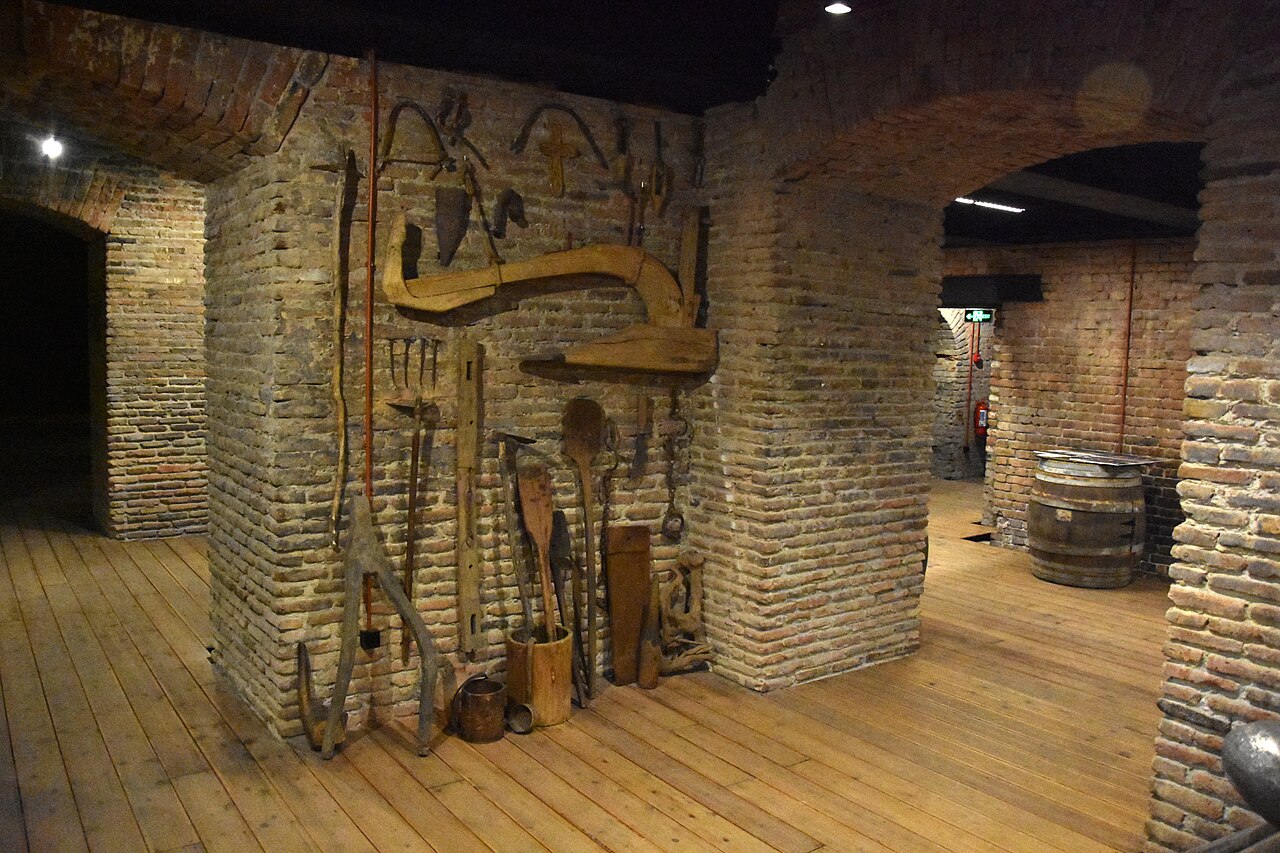
| Tbilisi Wine Museum | An introduction before travelling to wine country; a compact old-town cellar setting. | 1–1½ hours | Ask the museum about admission, guided interpretation and whether tasting is included. |
| Tsinandali Estate | House, gardens and wine heritage together, on a separate outing from Telavi. | 1½–2½ hours | Choose the museum and garden visit first; request the current wine-tour or tasting options separately. |
| A Shalauri cellar | A producer-led tasting near Telavi. Dakishvili's cellar is a specific place to enquire. | 1¼–2 hours | Use Dakishvili's tasting-reservation contact and specify the Shalauri cellar, rather than its Telavi boutique. |
| A Sighnaghi tasting | Wine with a meal and time in the hilltown. Pheasant's Tears has a restaurant in town. | 1–2 hours for the tasting; a meal adds time | Contact the restaurant for a tasting reservation. A town table does not imply a vineyard or production-cellar tour. |
A qvevri is a clay vessel set into the ground for fermenting and maturing wine. Amber wine uses white grapes with skin contact, which adds colour and tannin. Qvevri also holds red wines, so the vessel alone does not tell you the wine's colour or sweetness.
Rkatsiteli, Kisi and Mtsvane are white grapes to look for; Saperavi is a red grape. A useful first tasting compares a white made without extended skin contact, an amber wine and a red. Ask the host about the grape, time on skins and vessel for each glass. This gives you a way to understand the differences rather than simply counting pours.
Choose Telavi when Shalauri and Tsinandali are the main reason for the trip: both belong to its surrounding area, and the town adds a market and royal history between appointments. Choose Sighnaghi when you want a hilltown stay with walls, art and a tasting or meal in town. A village cellar outside either base still needs a transfer.
For two nights, use one base and make one booked cellar visit the anchor of a day, with an estate or town visit on another day. Moving between both bases is worthwhile only when you have specific appointments on each side. With one day from Tbilisi, choose one area and arrange the driver before the tasting.
Dakishvili Family Vineyards publishes a tasting-reservation contact for its cellar in Shalauri. It also has a wine boutique on Erekle II Street in Telavi, so name the cellar when enquiring. Ask for the wine selection, price, language and whether the visit includes seeing the qvevri.
Pheasant's Tears publishes its Sighnaghi restaurant address at 18 Baratashvili Street and a reservation enquiry form. Ask for a tasting with or without food and allow separately for a leisurely meal. These are starting points for direct enquiries, not confirmed appointments or a ranking of the region's wineries.
A hosted visit can work outside harvest season. If picking grapes or watching a particular production step matters, ask the producer whether it is happening on your exact date; a tasting reservation does not include participation. Share dietary needs when booking food, and agree on a driver or taxi for the return before drinking. A tasting room may be reached on foot from a town stay, but that does not make nearby village cellars walkable.
Selected experiences · Wine history & hosted tastings
Choose the museum or estate for wine history, then a hosted tasting for a closer look at the producer's wines. The Shalauri and Sighnaghi guides give specific hosts to contact and explain how a cellar appointment differs from a restaurant tasting. These are independent visits; times exclude travel between places.
Tbilisi · Near Sioni Cathedral · old townExplore the Wine Museum1 hr–1.5 hr 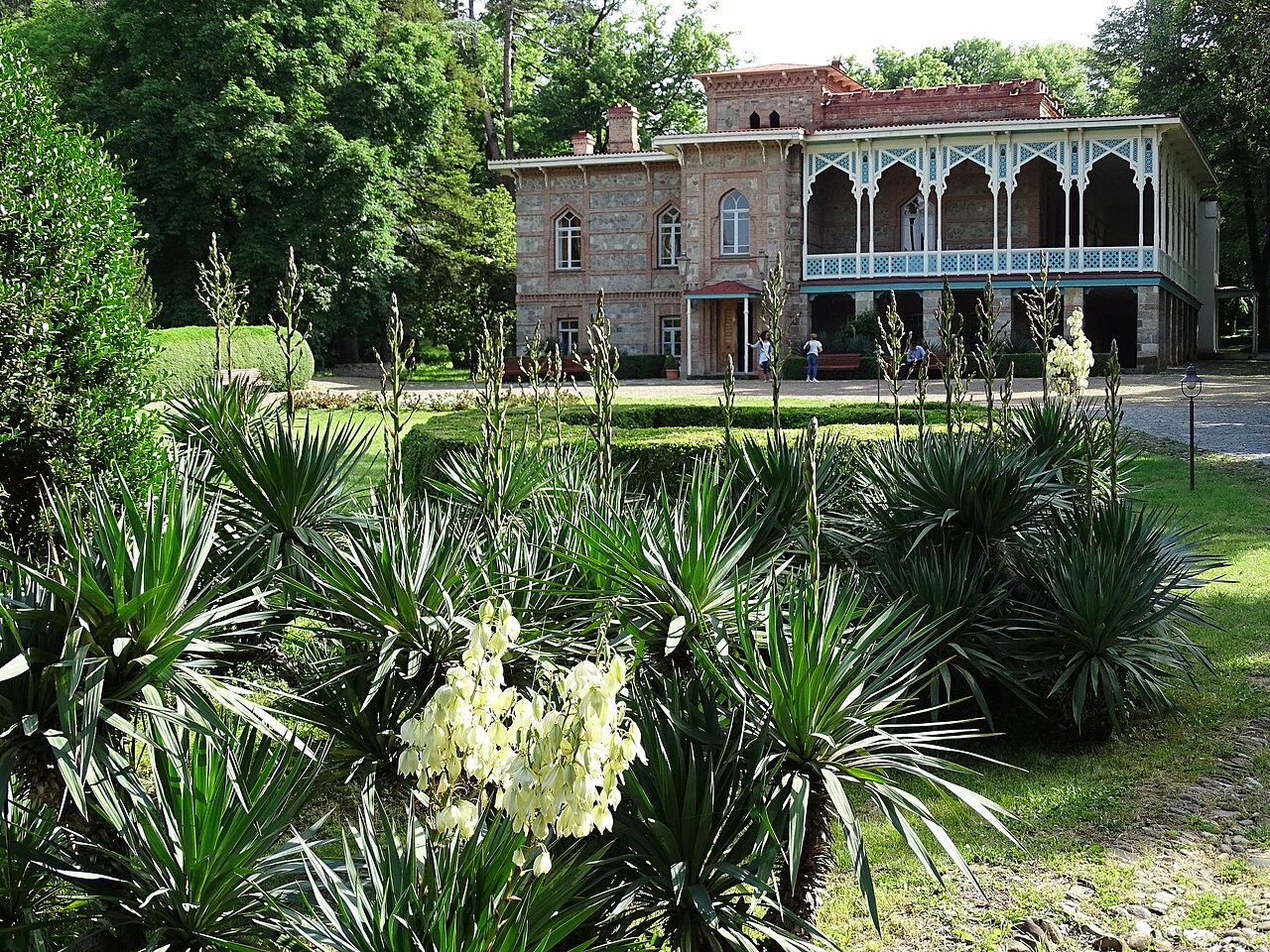 Telavi · Tsinandali · nearby villageVisit Tsinandali Estate1.5 hr–2.5 hr
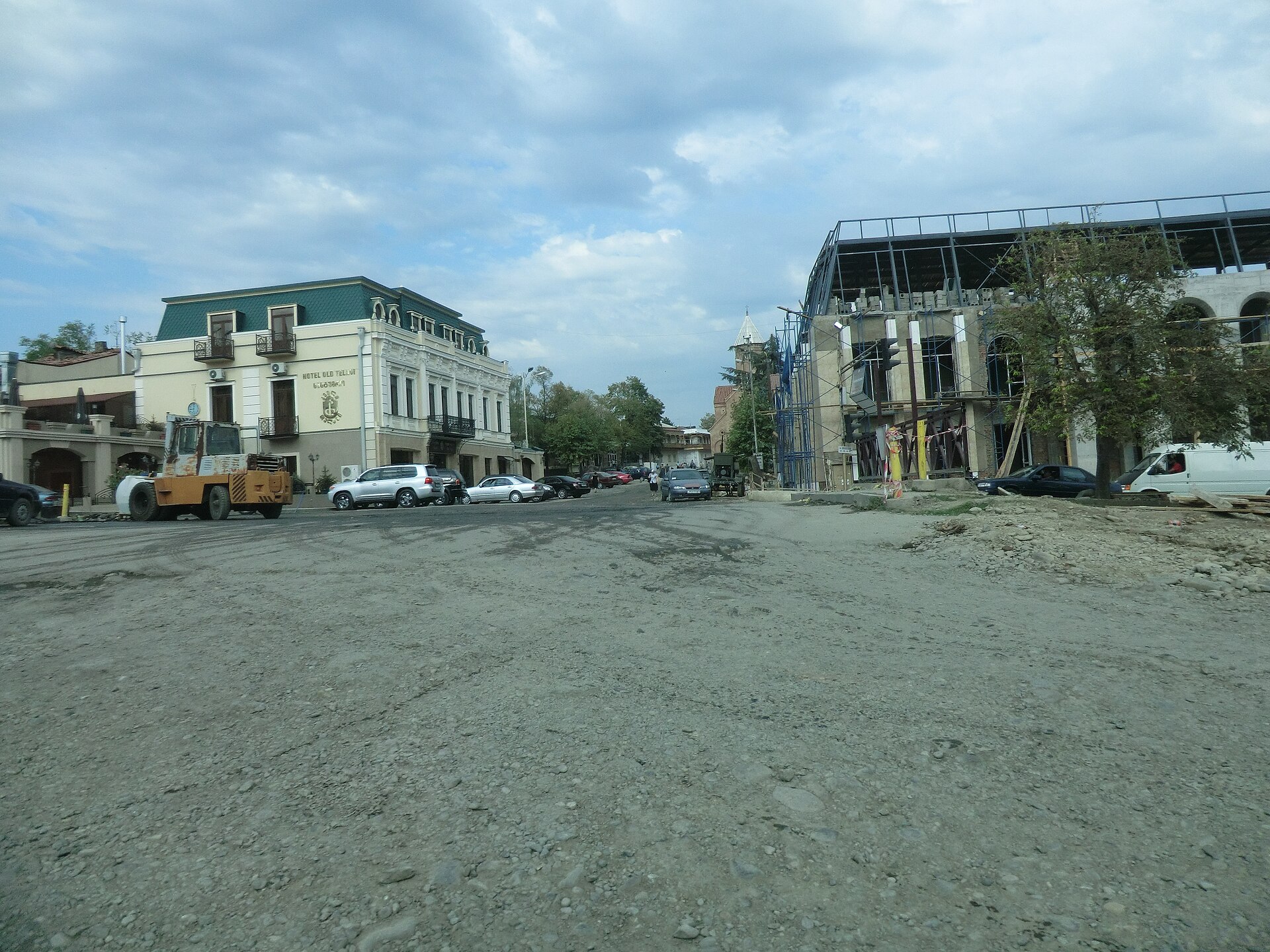 Telavi · Shalauri village · hosted wine visitQvevri context photoBook a qvevri tasting in Shalauri1.3 hr–2 hr
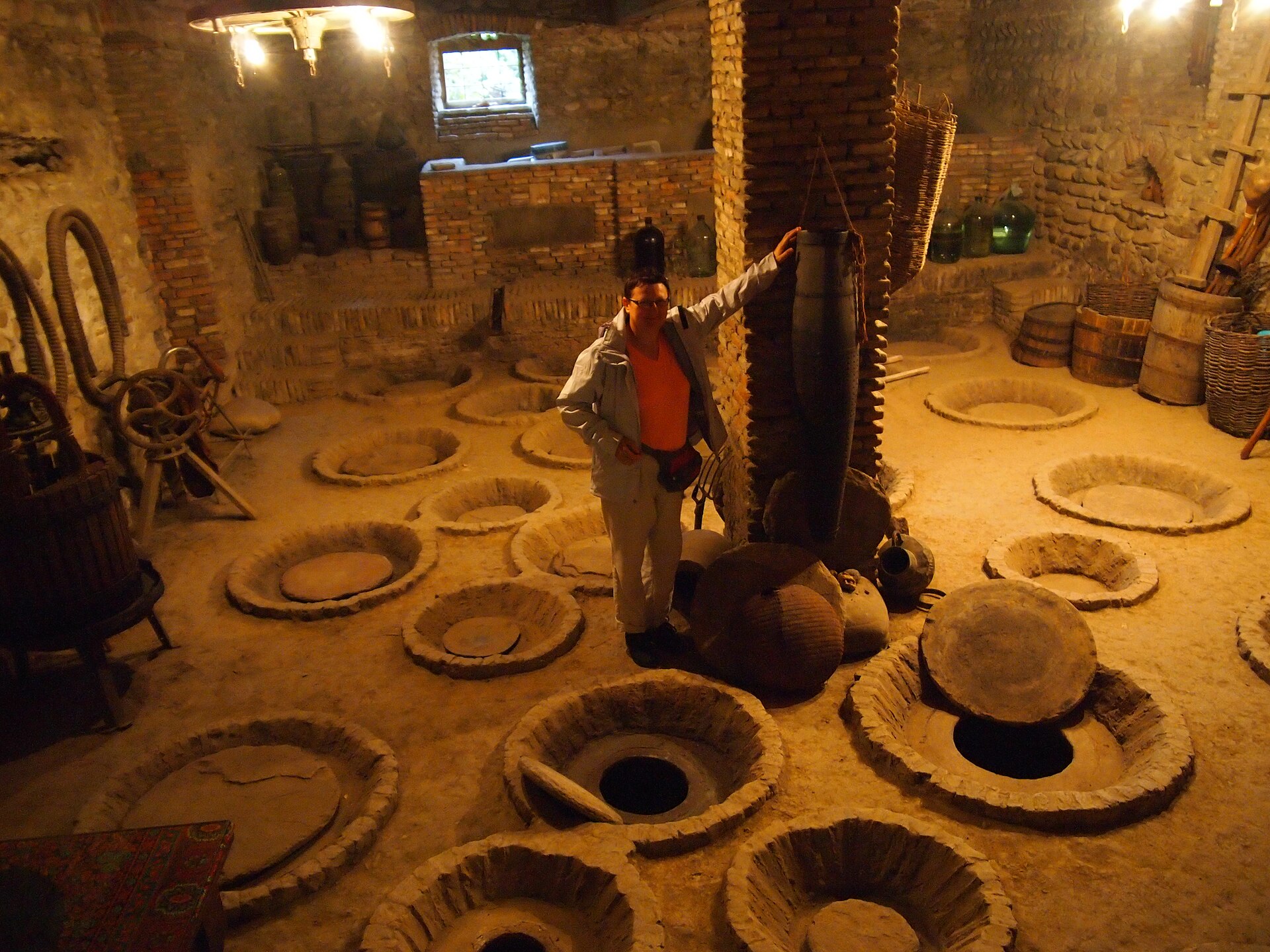 Sighnaghi · Town or nearby village · booked visitKakheti cellar photoArrange a wine tasting in Sighnaghi1 hr–2 hr
Where these fit
Each place has its own guide, more things to do, and stays and travel links.
01Baths, working markets, Georgian art and hillside outings give the capital many ways to fill a few days.
Explore this place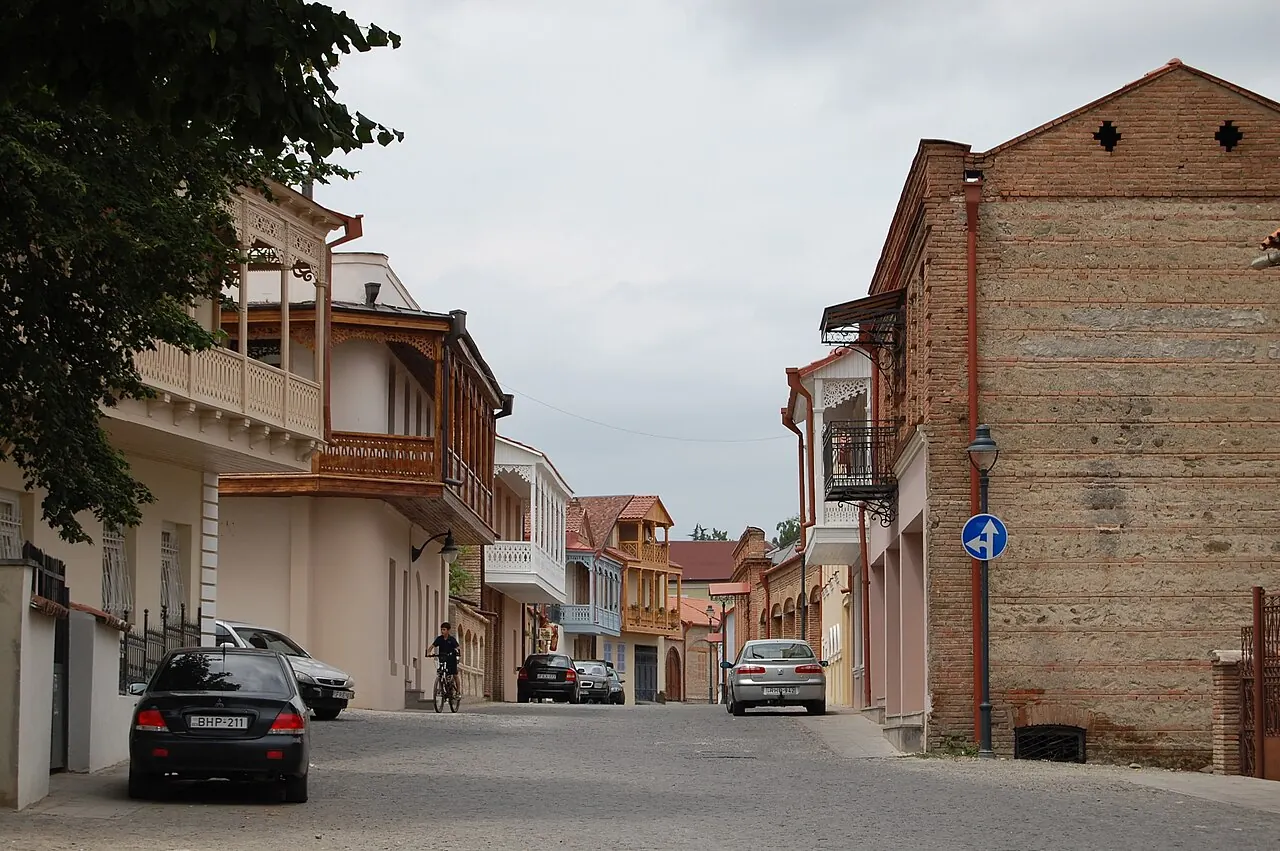 02
 03
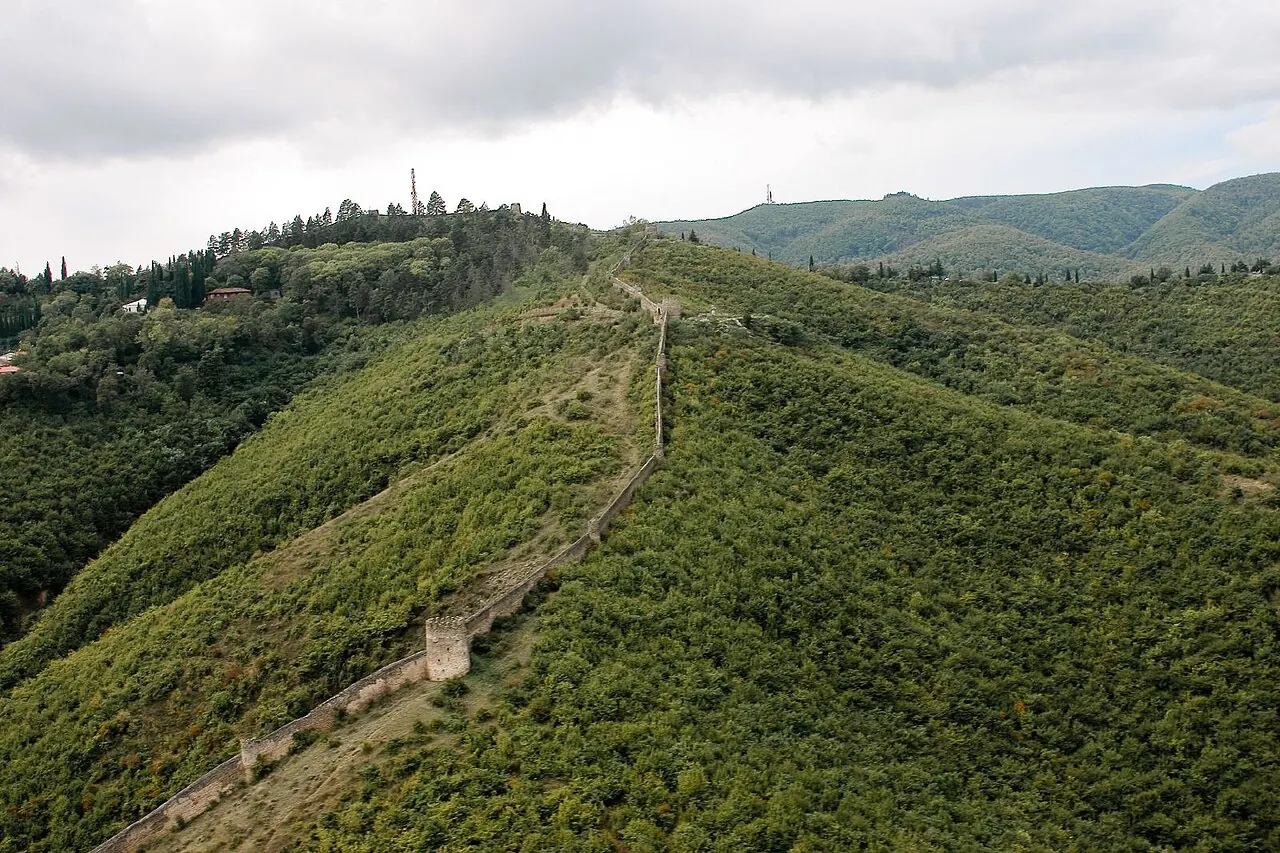
Fortress walls, art and valley views reward a night in Kakheti's hilltop town.
Explore this place