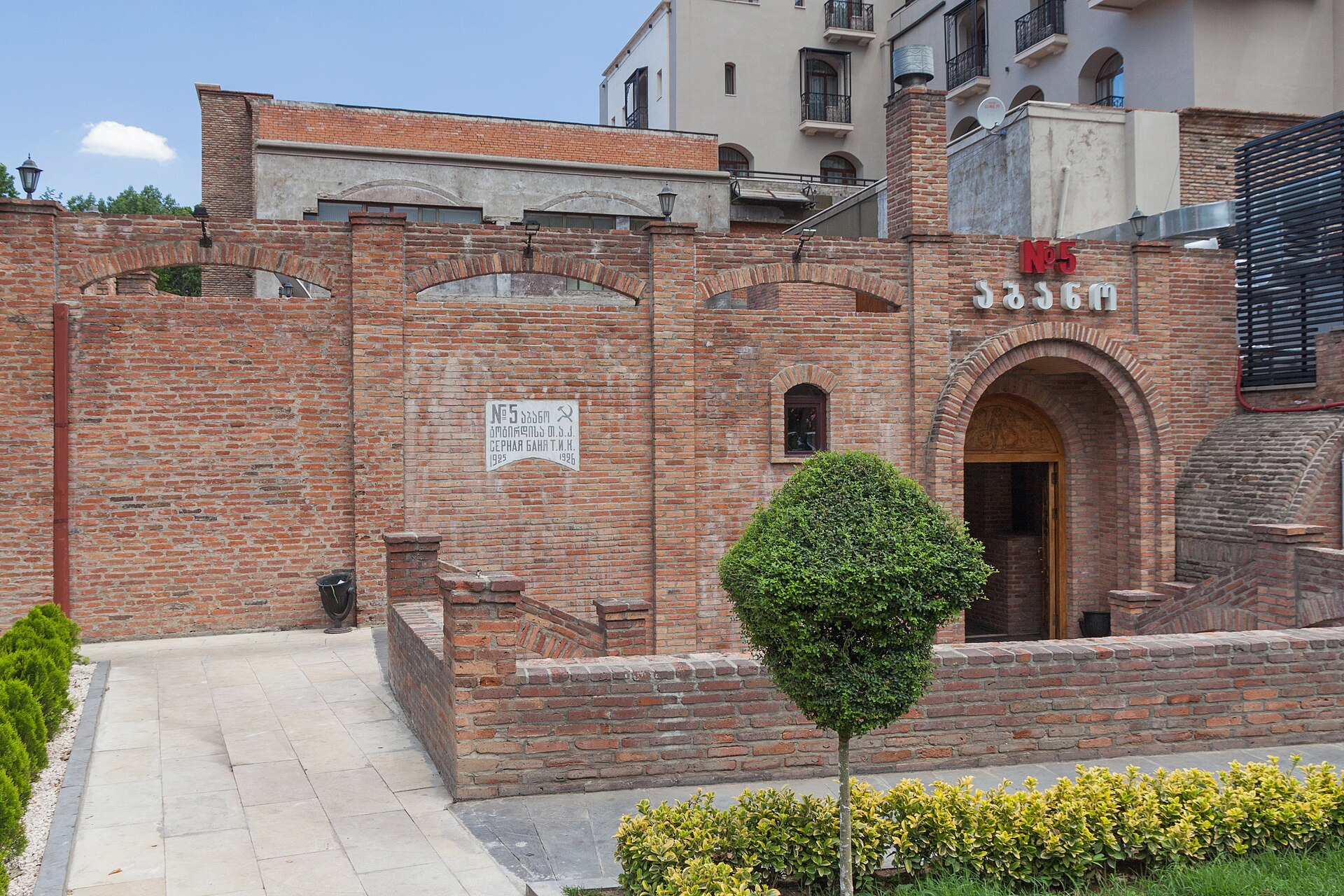
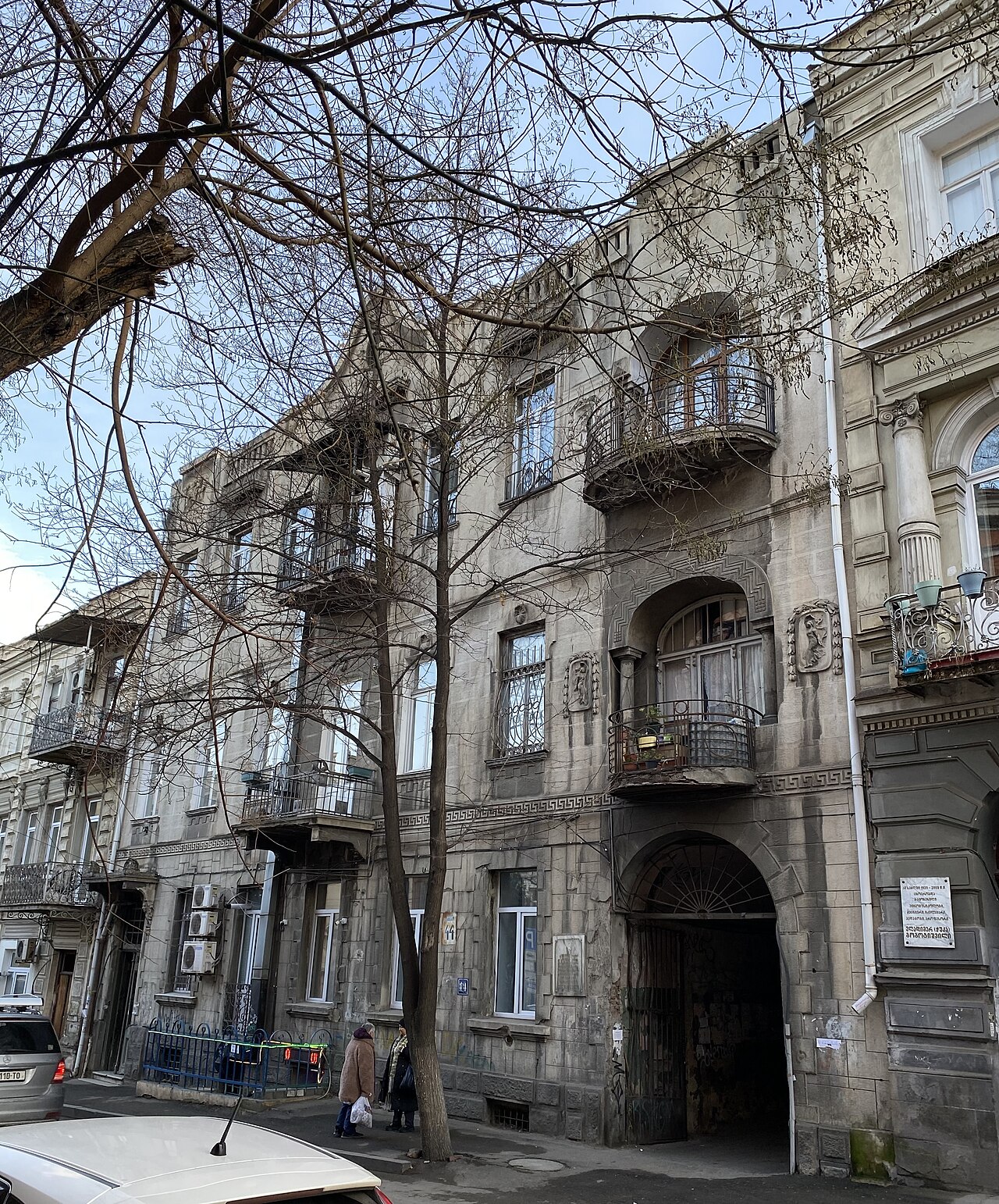
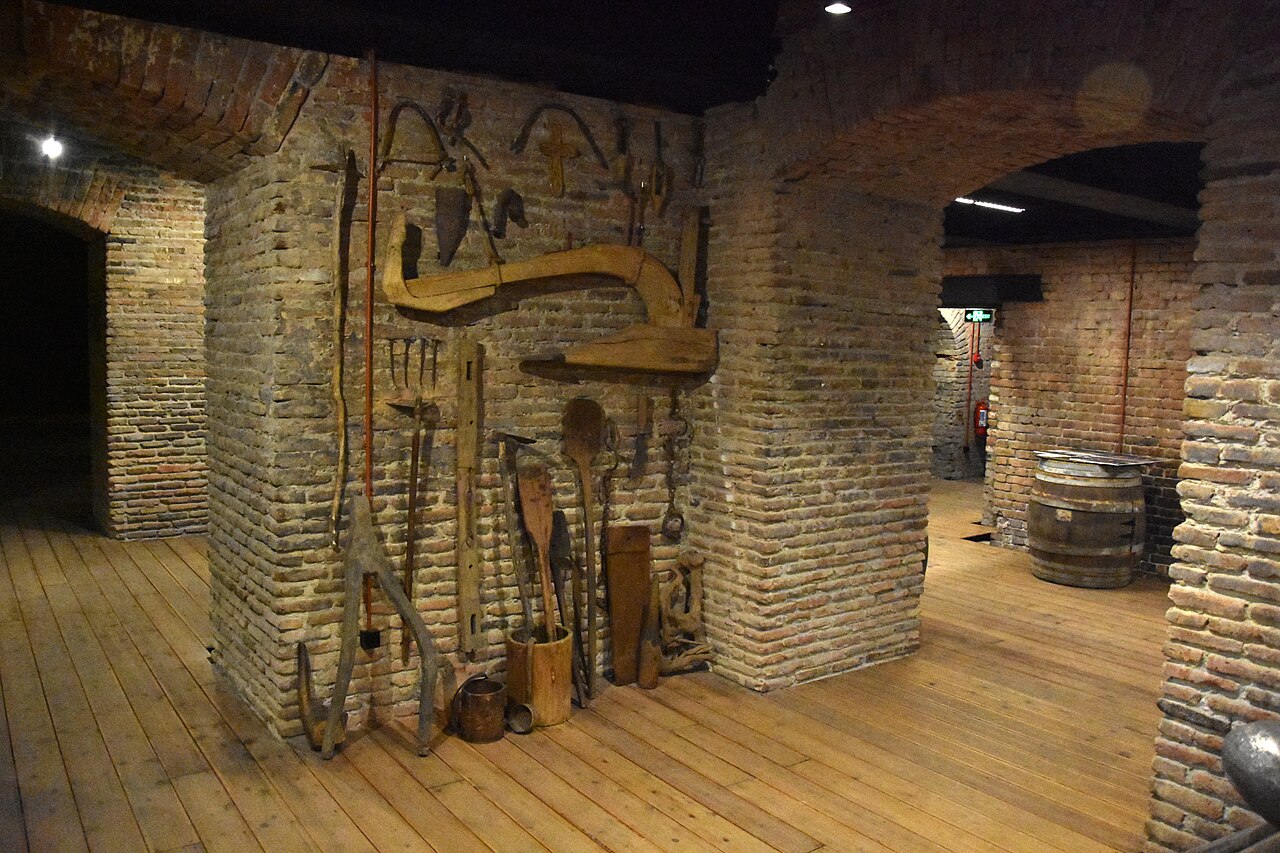
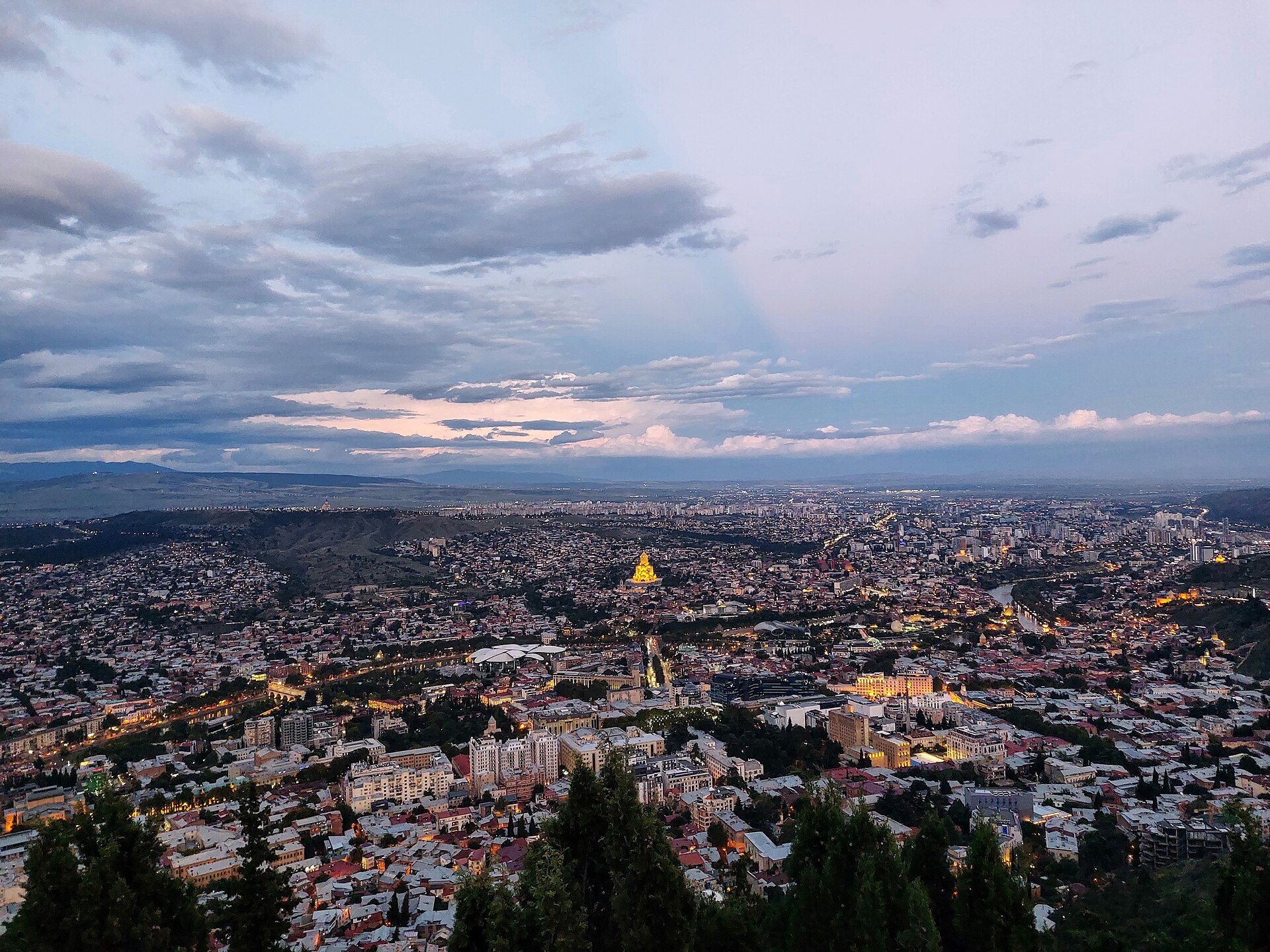
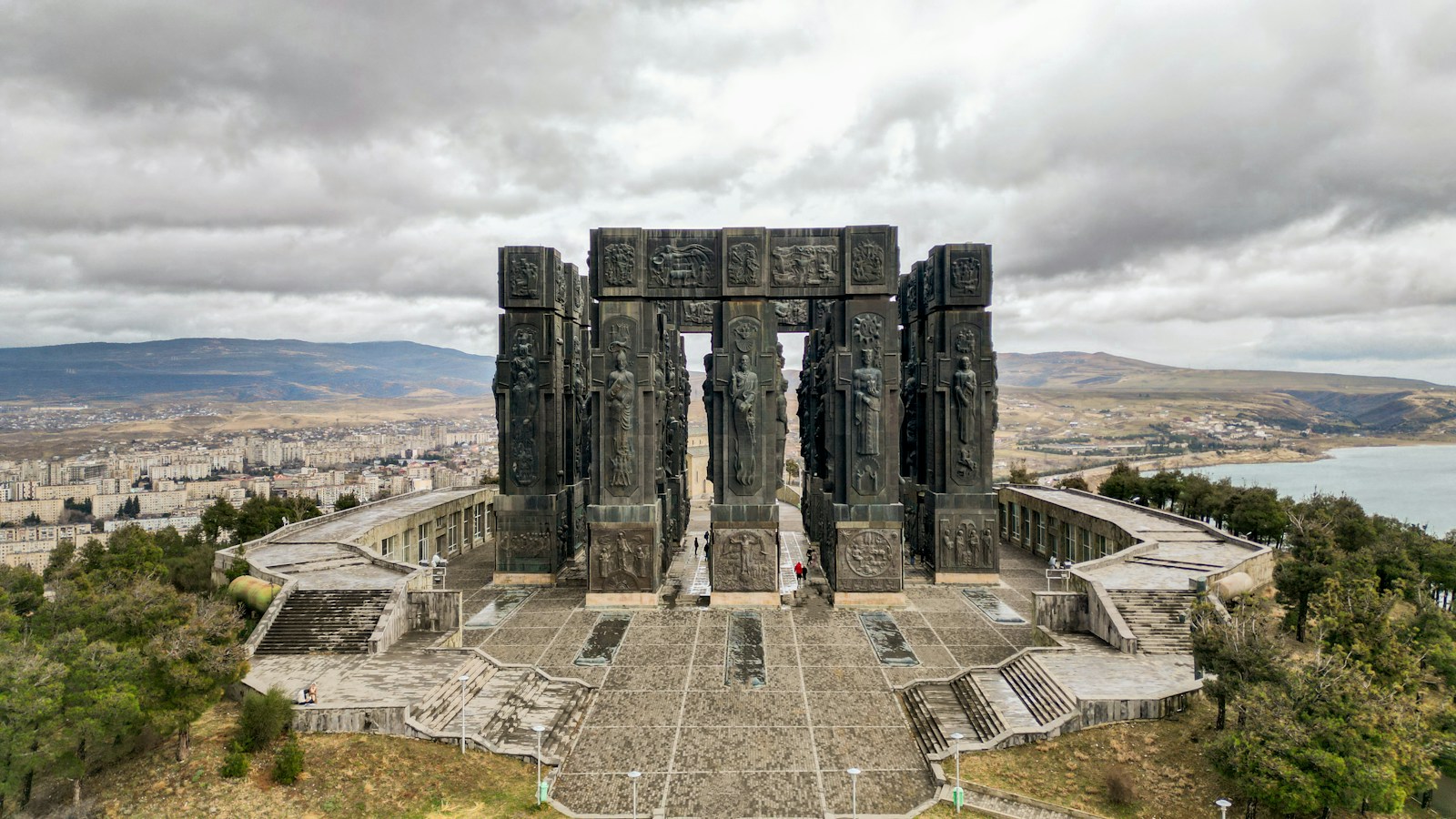
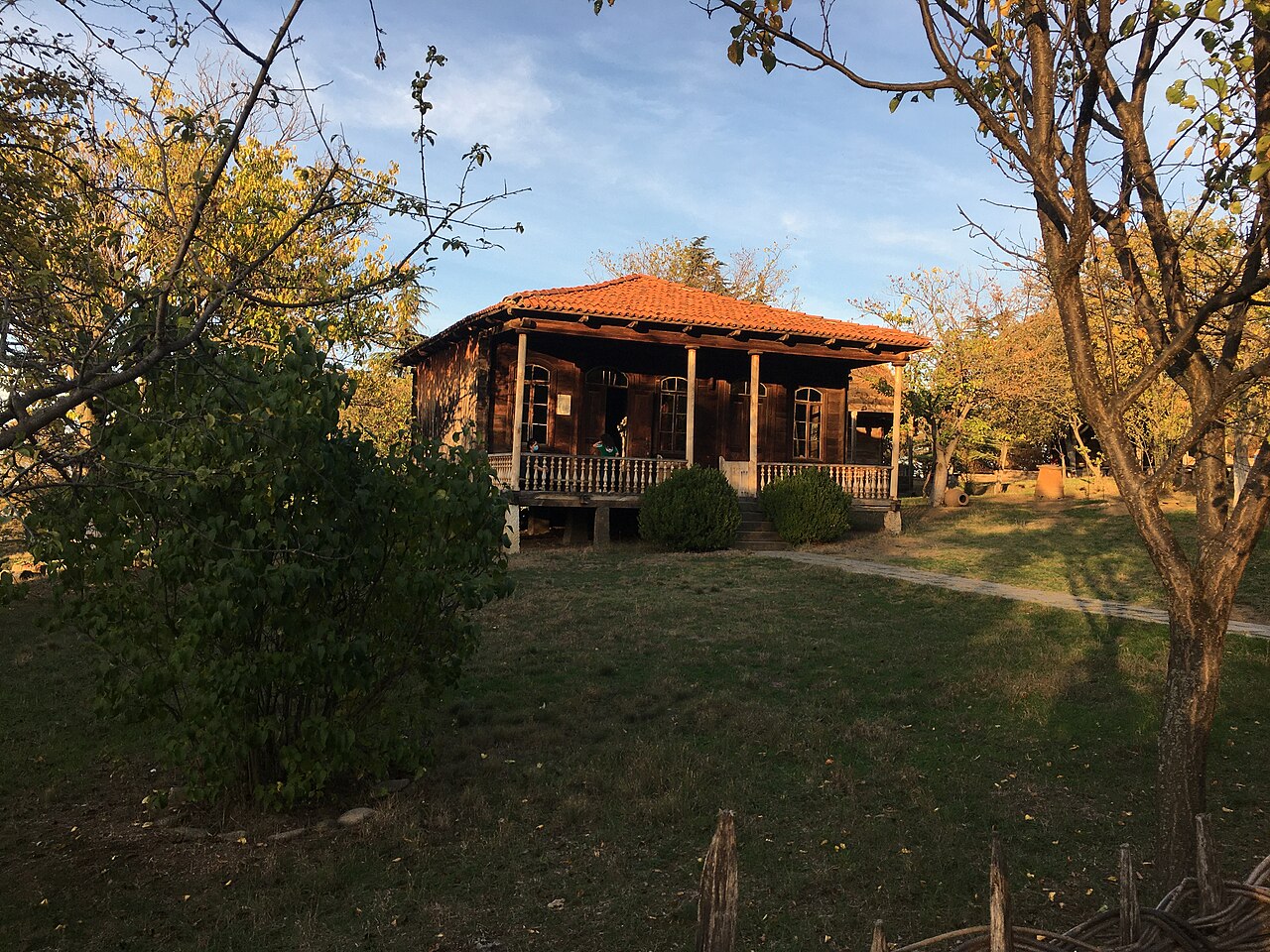
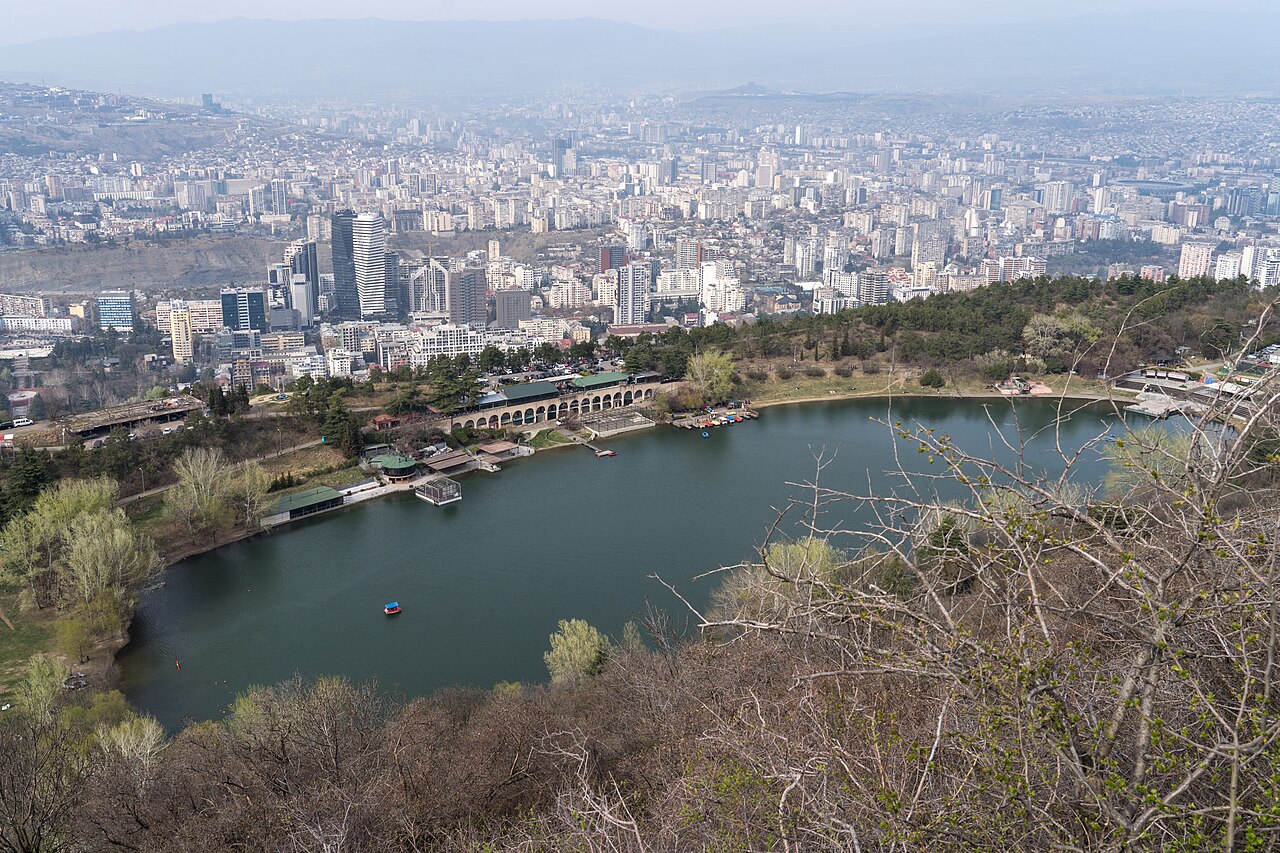
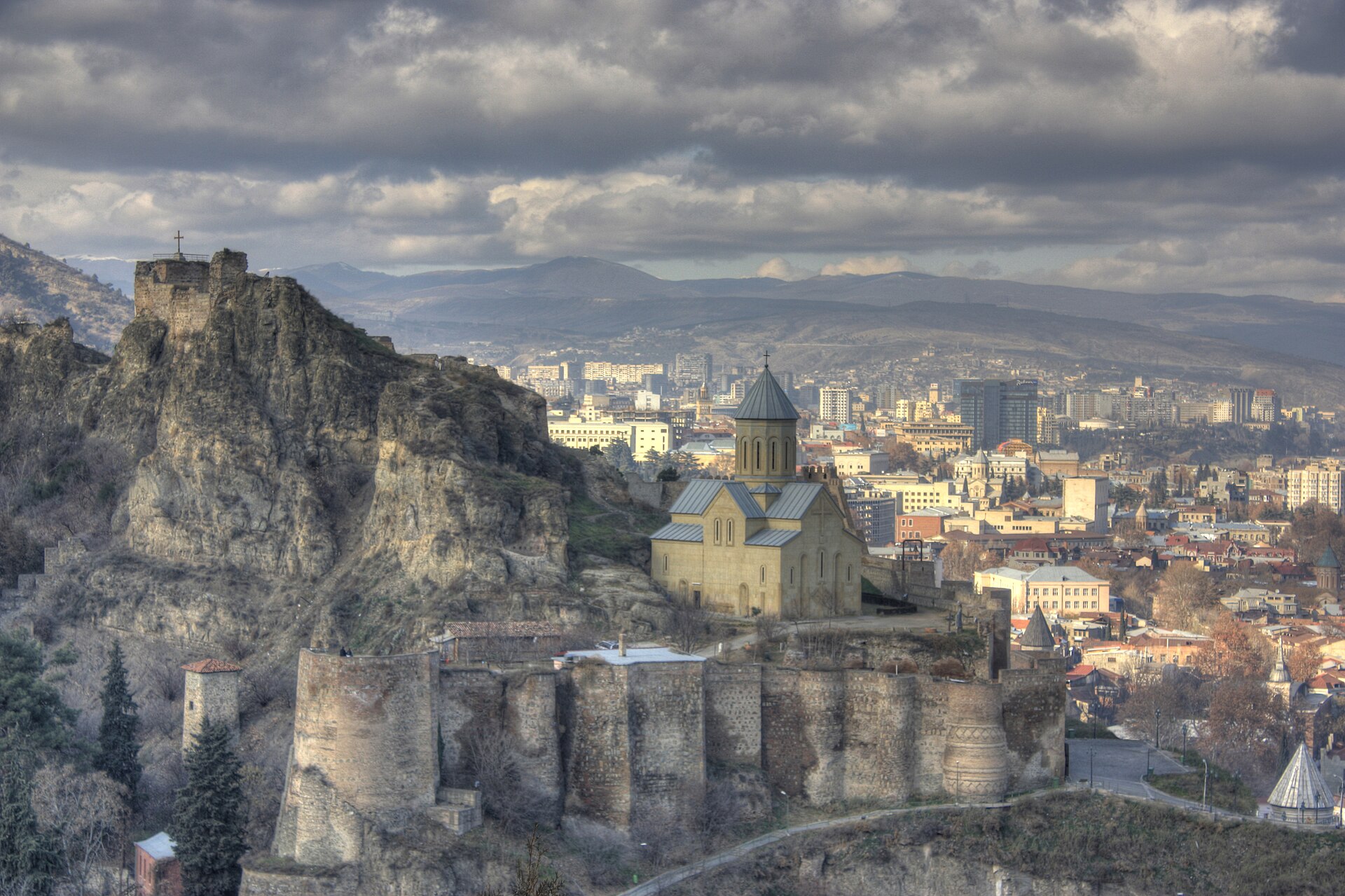
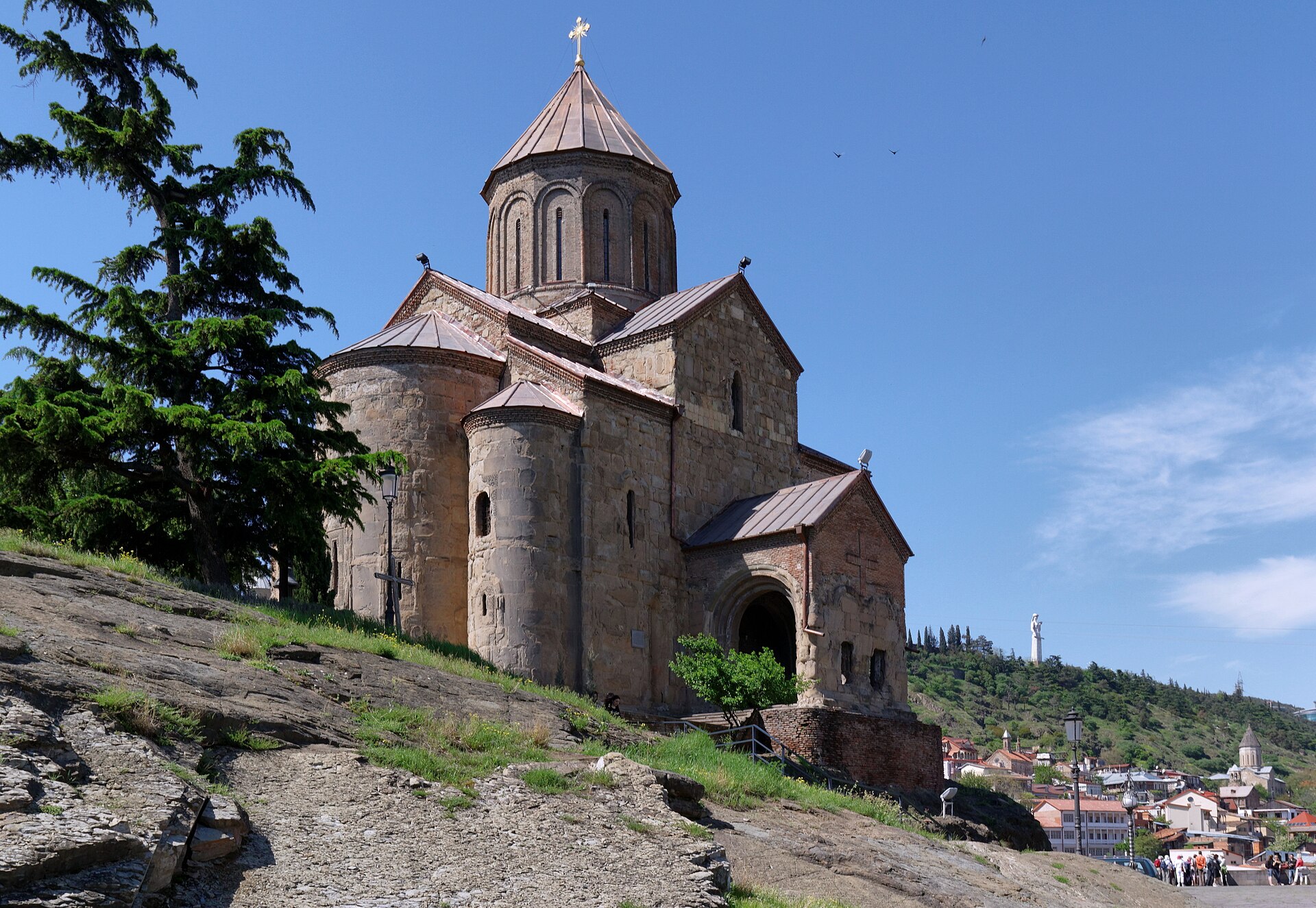
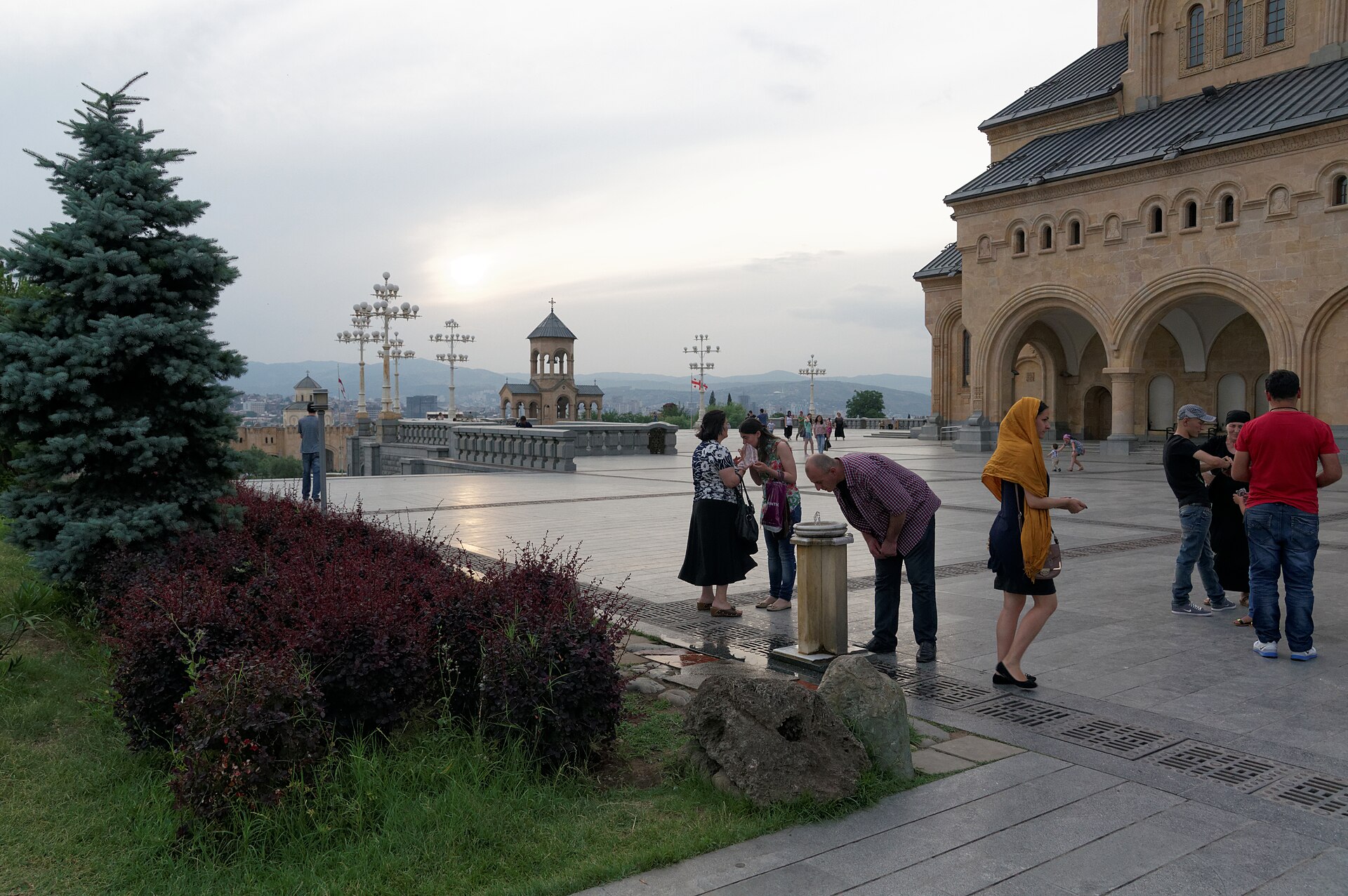
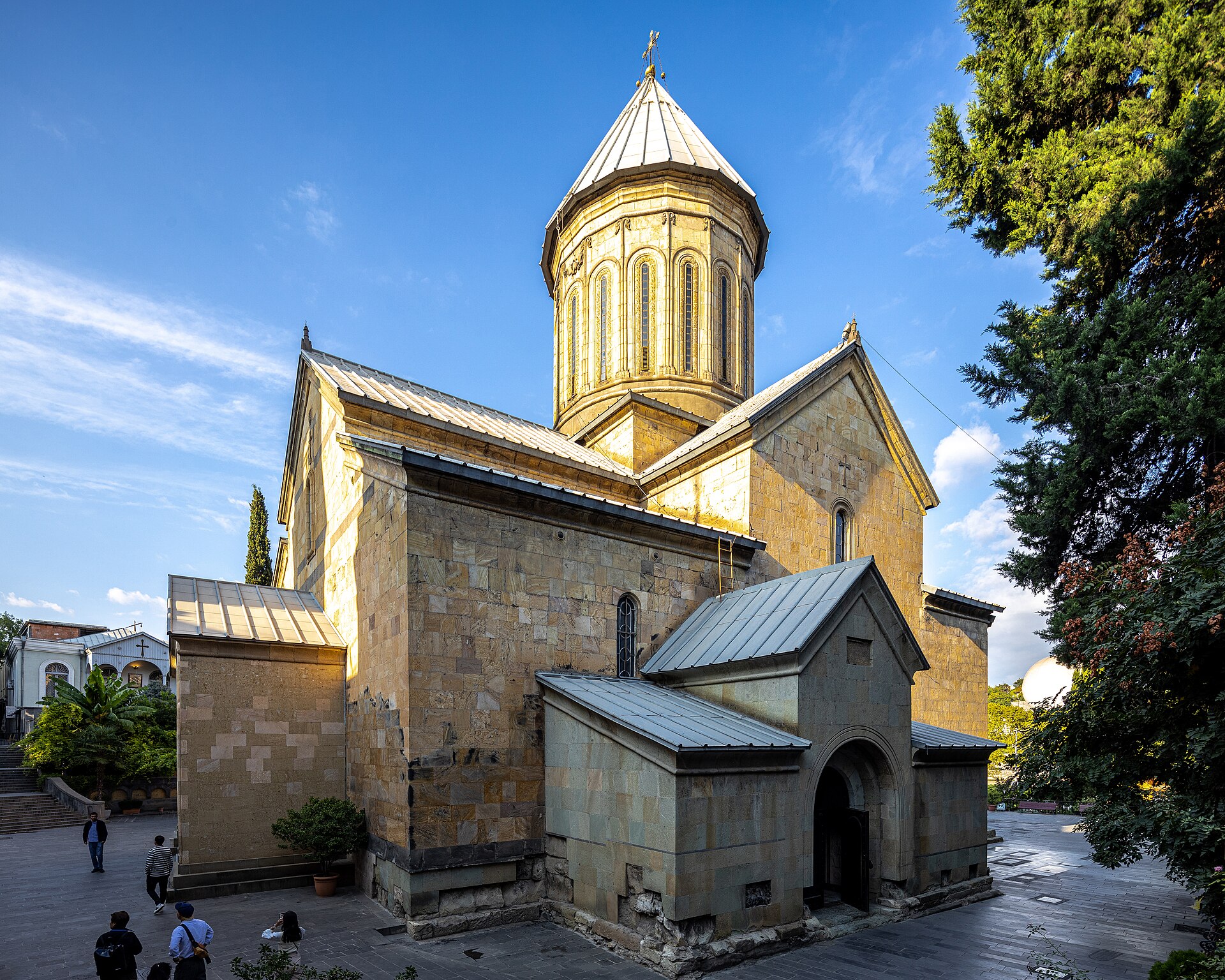
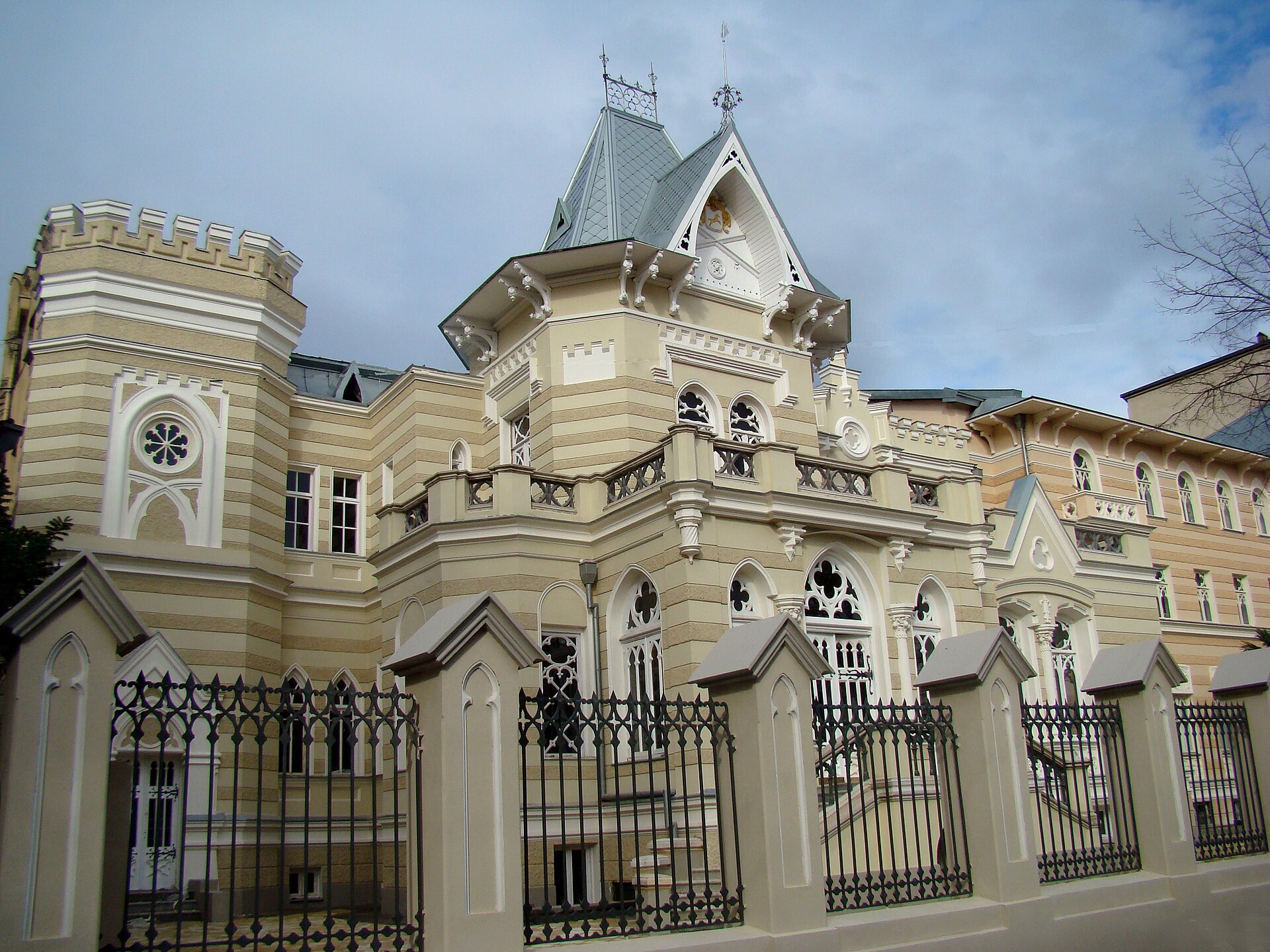
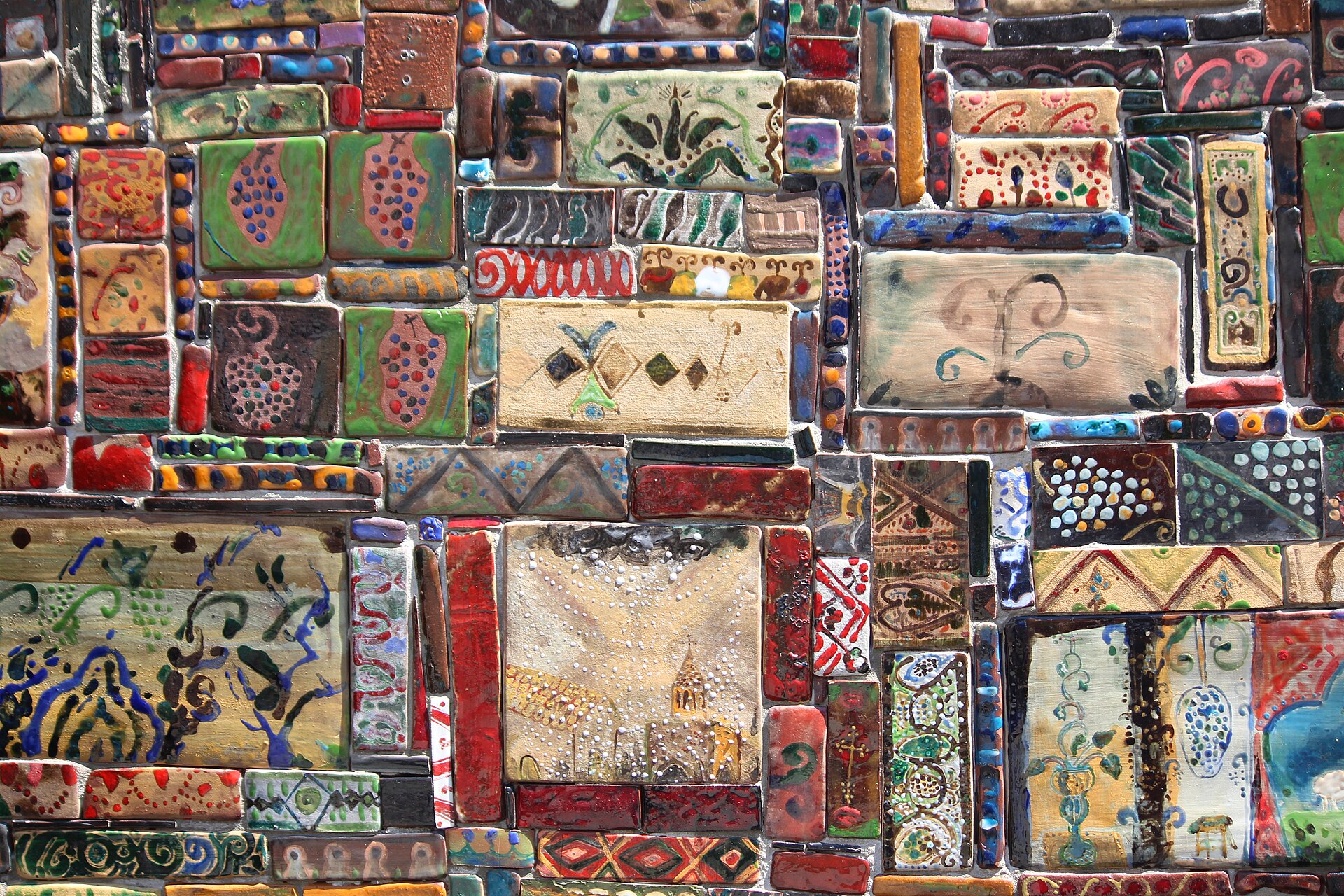
Tbilisi rewards a few days of choices. Abanotubani's sulfur baths and Sololaki's residential streets show the older city; Dry Bridge and Navtlugi Bazaar offer very different market visits. The Wine Museum and National Gallery add indoor time, while the Botanical Garden and Mtatsminda open up green space and views. Farther out, the Chronicle of Georgia rises above Tbilisi Sea, and Turtle Lake and the Open Air Museum offer a different hillside day. Choose the mix that interests you and allow for travel between neighbourhoods.
Food & wine
Best timeApril–June · September–October
Give it2–4 days
Best forFood · architecture · long weekends
When to go
Spring and early autumn are comfortable for long walks. The sulfur baths are an all-season ritual; check individual bathhouse hours before going.
Getting there
Arrive via Tbilisi Airport or by road or rail, and check current transfer options before travelling. The older districts reward walking, but hillside climbs and outings to Samgori, Mtatsminda, Turtle Lake and the Chronicle of Georgia need travel time of their own.
The trade-off
The older districts have steep, uneven streets, and the visitor core can be busy. A quieter or step-free stay may call for a different base within the city.
A taste of the place
At the table in Tbilisi.
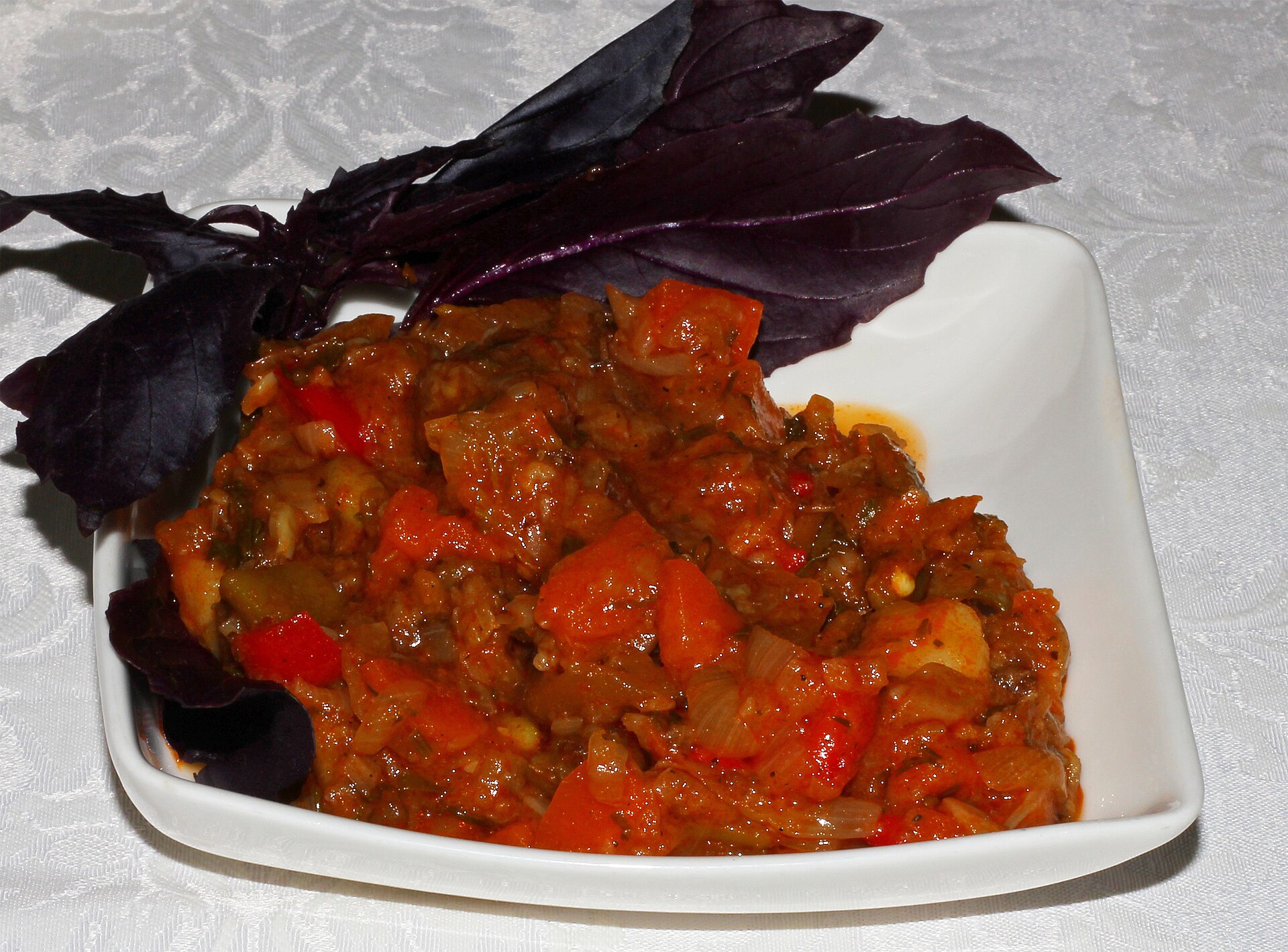
Tbilisi's kitchens draw from across Georgia, but ajapsandali has a particularly strong connection to the capital's everyday cooking.
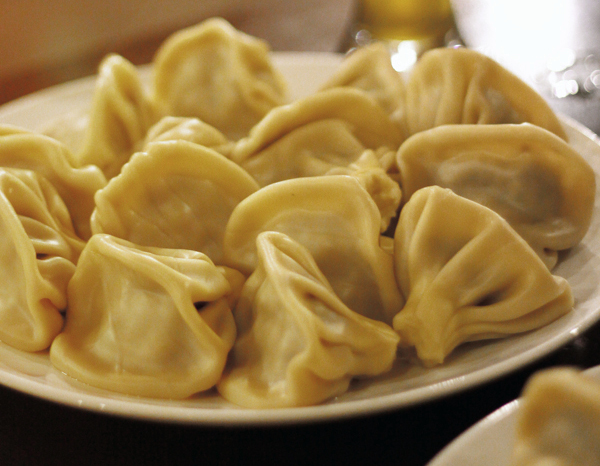
Georgia's pleated dumplings are widely served in the city. The photo shows a representative version; ask which filling the kitchen uses.
How to try itSeek ajapsandali when summer vegetables are in season. For khinkali, ask about the filling: kalakuri is the city-style version with herbs. Allow time for a fresh batch. For another meal, look for lobio, a bean dish with many variations, or chakhokhbili, poultry cooked with tomatoes and vegetables.
Coffee and something sweet.
For a café or bakery stop, look for kada pastry or Georgian doughnuts and have coffee or tea alongside. Ask what has just been baked or fried. These sweets are part of the capital's varied food scene, with traditions shared beyond Tbilisi.
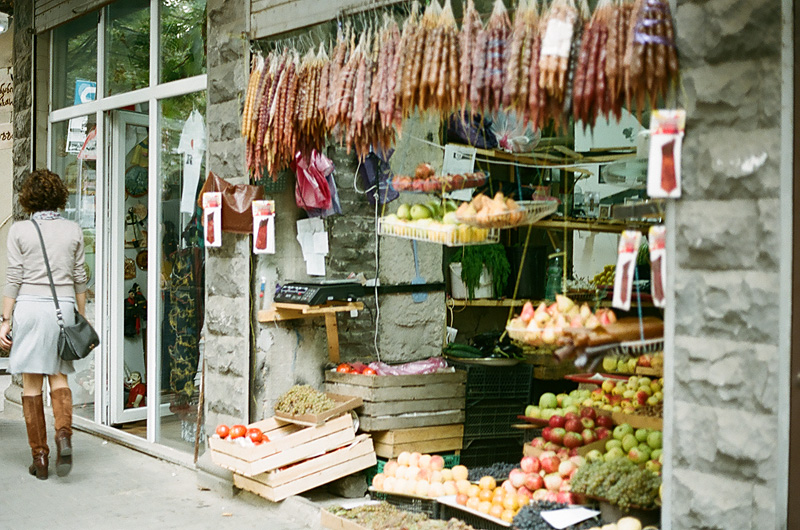
For something to carry on a walk, look for churchkhela or tklapi fruit leather at a market or sweet stall. These make a useful alternative to a sit-down stop. Ask about the ingredients, especially if you avoid nuts.